
Team Improvement
How to Create Accountability Without Blame
Build team accountability through clear commitments, visible ownership, supportive review, and system-focused learning instead of fear and personal blame.
SprintsPlans TeamJul 20, 2026
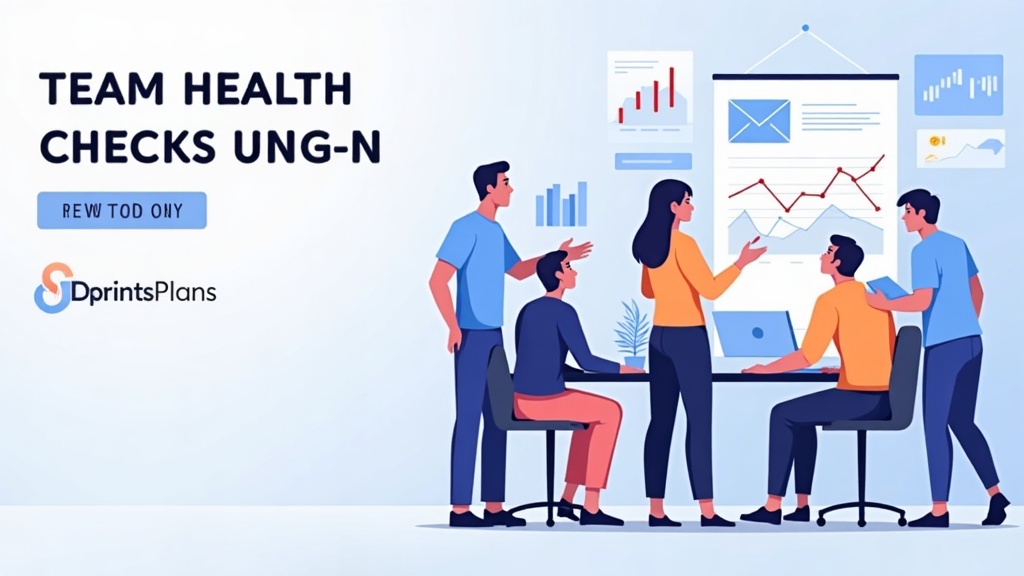
Team improvement becomes sustainable when it is treated as normal work rather than an occasional initiative. Delivery metrics show what happened but may not show why.
This guide explains the approach in practical terms: what it is, why it is useful, when to use it, how to apply it step by step, and which mistakes to avoid.
A team health check is a periodic structured assessment of conditions that affect sustainable performance. Teams rate and discuss dimensions such as purpose, workload, trust, decision speed, quality, learning, and support.
Delivery metrics show what happened but may not show why. Health checks can reveal growing overload, unclear direction, or weak collaboration before those conditions become missed goals, defects, or attrition. The discussion behind the rating is more valuable than the number alone.
Run a health check monthly or quarterly, after major organizational changes, during team formation, or when delivery data changes without an obvious cause. Avoid running it so frequently that participants repeat ratings without new evidence.
A team rated delivery speed as acceptable but showed wide disagreement on priority clarity. Developers believed priorities changed weekly, while product leaders believed the roadmap was stable. Discussion revealed that urgent requests were bypassing the shared backlog. The team introduced a visible intake rule and reviewed priority clarity one month later.
Private or anonymous ratings can improve honesty, especially in low-trust or hierarchical settings.
Share themes and support needs with agreed boundaries. Raw comments should remain protected when confidentiality was promised.
There is no universal set, but clarity, workload sustainability, trust, quality, learning, and ability to deliver are common starting points.
A team health check is a conversation tool, not a scorecard. Use clear dimensions, inspect differences, protect confidentiality, and convert one important signal into practical support or improvement.
Build a custom SprintsPlans health-check board, collect ratings and comments safely, then vote on the dimension the team should improve next.
Build team accountability through clear commitments, visible ownership, supportive review, and system-focused learning instead of fear and personal blame.
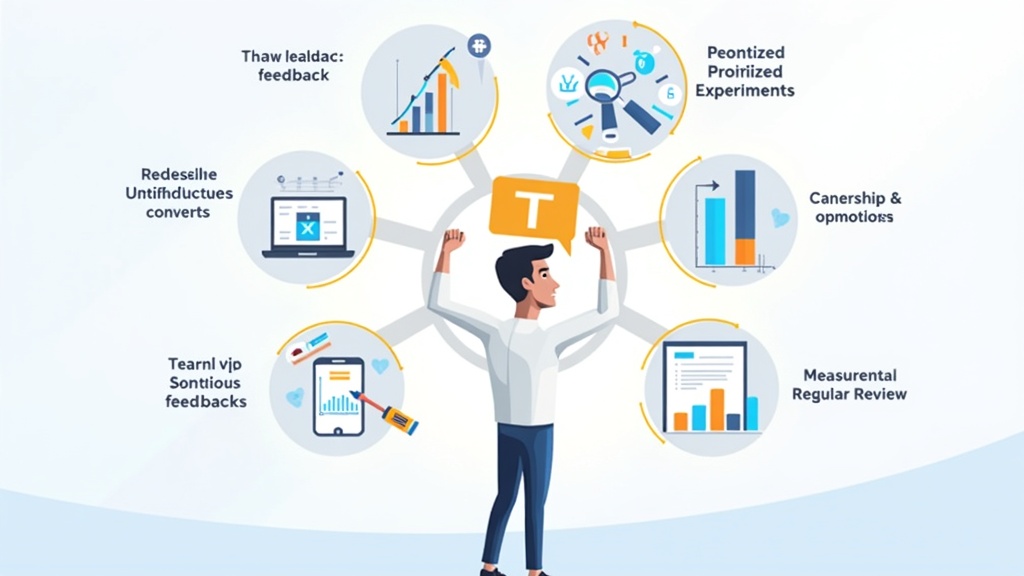
Create a continuous improvement system that connects team feedback, prioritized experiments, ownership, measurement, and regular review.
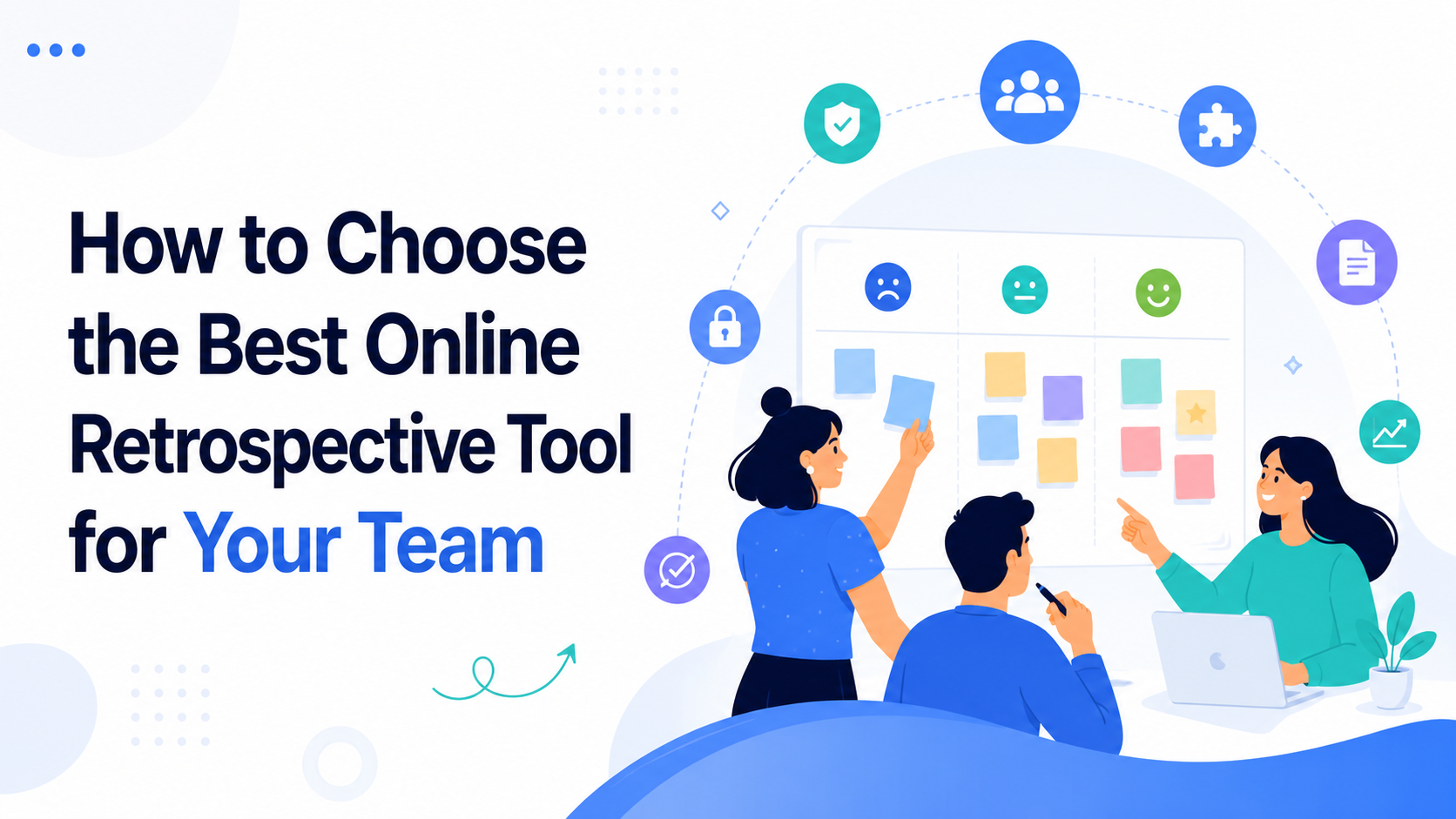
Evaluate online retrospective tools using participant access, anonymity, facilitation flow, templates, action tracking, security, integrations, and total operating cost.