Team Improvement
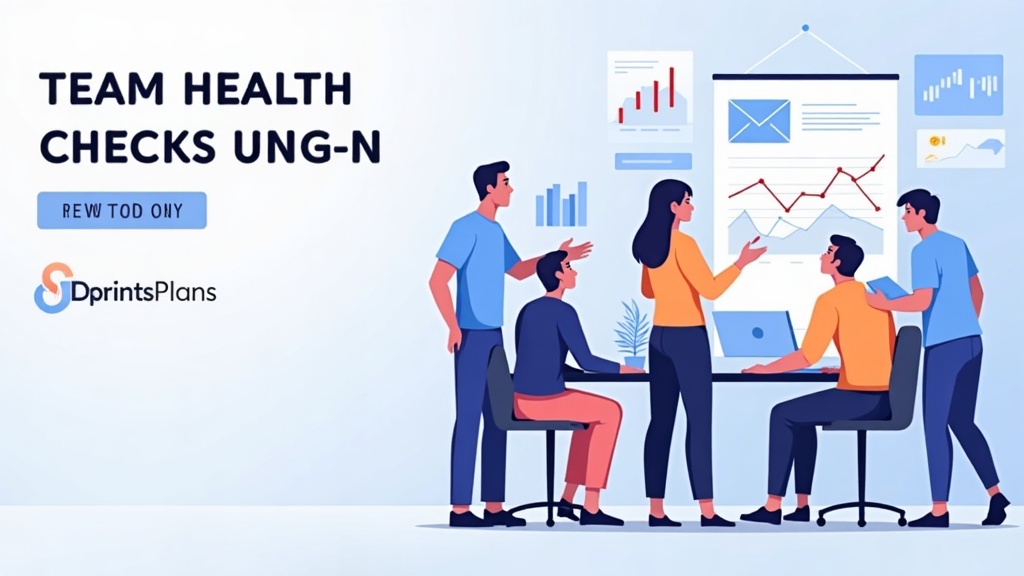
Team Health Checks: What to Measure and How to Act
Run team health checks that reveal trends in clarity, workload, trust, quality, and collaboration without reducing team experience to a single score.
SprintsPlans TeamJul 20, 2026
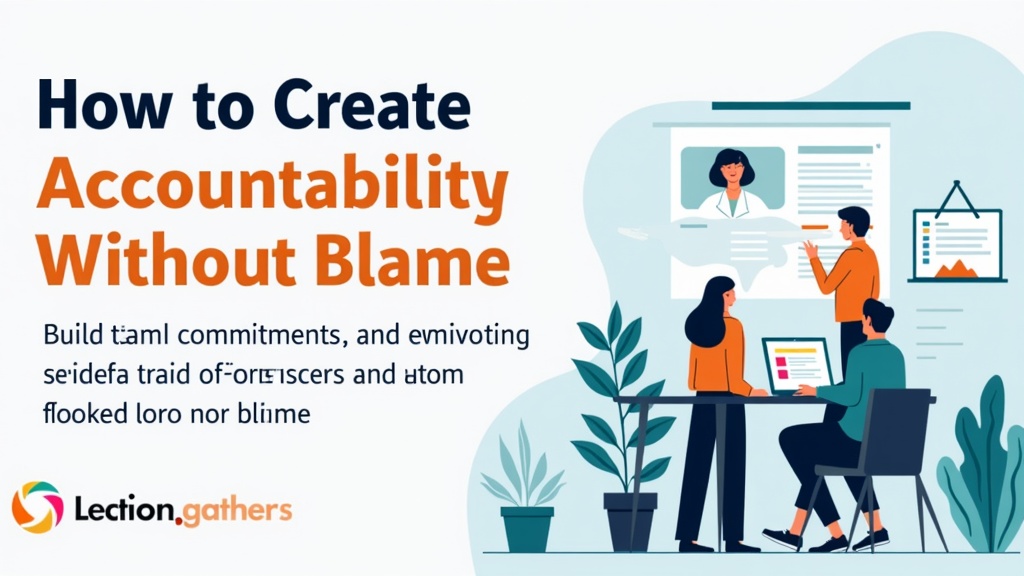
Team improvement becomes sustainable when it is treated as normal work rather than an occasional initiative. Blame encourages people to hide uncertainty and protect themselves.
This guide explains the approach in practical terms: what it is, why it is useful, when to use it, how to apply it step by step, and which mistakes to avoid.
Accountability without blame means people are expected to own commitments, communicate risk early, and participate in correction, while the team examines the conditions and decisions that shaped the outcome rather than attacking character.
Blame encourages people to hide uncertainty and protect themselves. Avoiding accountability creates the opposite problem: commitments become optional and recurring failures are not addressed. Teams need clear expectations and psychologically safe review at the same time.
Use these practices when people avoid ownership, missed work is discussed defensively, retrospectives focus on who caused the problem, leaders frequently rescue commitments without addressing causes, or the team confuses kindness with lack of standards.
An action item to automate a release check was missed. Instead of saying the owner was careless, the team reviewed the commitment. The owner had raised a production incident but had not explicitly renegotiated the deadline. The correction included finishing the automation and adding a rule that owners must update the board when urgent work displaces an improvement action.
No. Responsibility for actions and correction remains clear. The difference is that review seeks understanding and improvement rather than humiliation.
Clarify expectations, support, and patterns. If behavior remains negligent after fair feedback and support, use the organization's performance process.
Use factual statements: the action was due Friday, the risk was not communicated, and we need a new owner and prevention step.
Healthy accountability combines clear standards with safe learning. Make ownership visible, expect early communication, review facts, and correct both individual behavior and system conditions when appropriate.
Use SprintsPlans to assign retrospective actions clearly, set deadlines, and review outcomes without turning the board into a blame record.
Run team health checks that reveal trends in clarity, workload, trust, quality, and collaboration without reducing team experience to a single score.
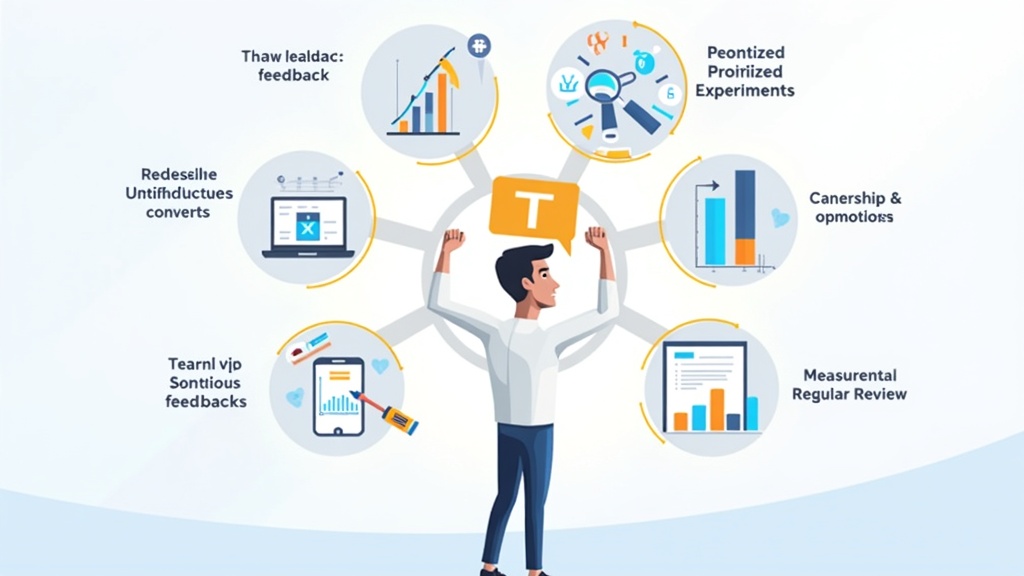
Create a continuous improvement system that connects team feedback, prioritized experiments, ownership, measurement, and regular review.
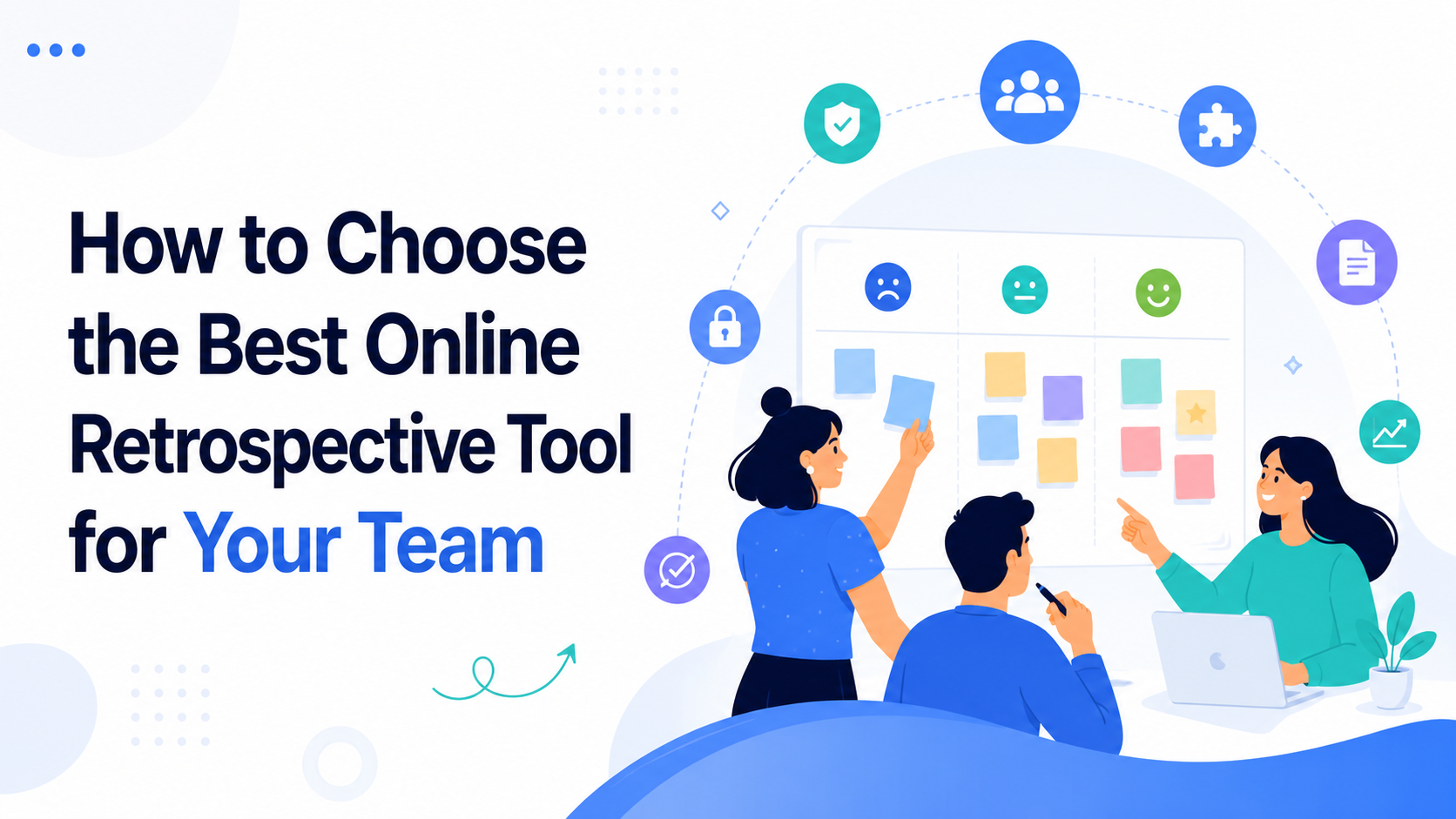
Evaluate online retrospective tools using participant access, anonymity, facilitation flow, templates, action tracking, security, integrations, and total operating cost.