Scrum
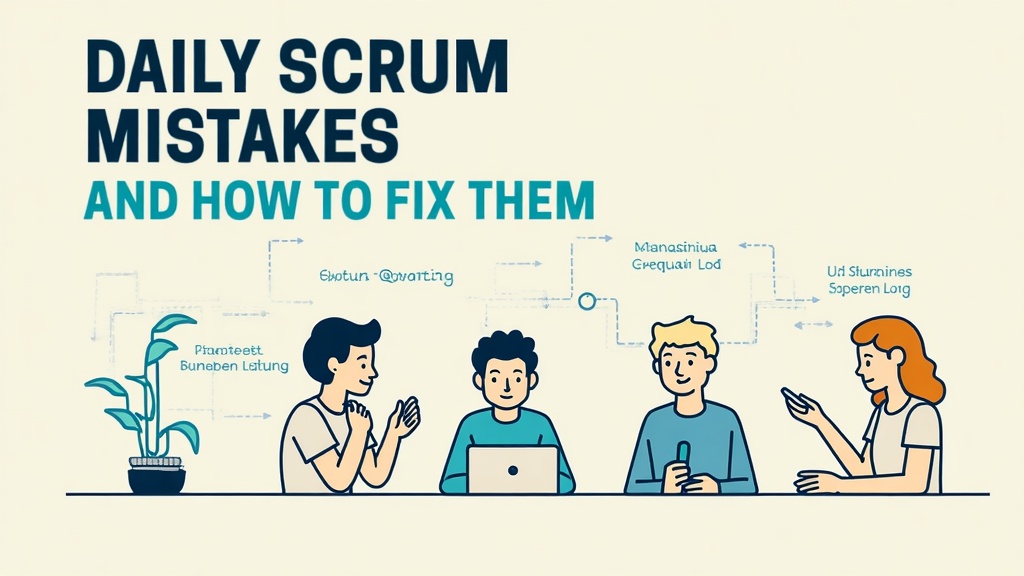
Daily Scrum Mistakes and How to Fix Them
Fix common Daily Scrum problems such as status reporting, manager-led questioning, lengthy problem solving, and updates disconnected from the Sprint Goal.
SprintsPlans TeamJul 20, 2026

Scrum is lightweight, but its accountabilities and events are frequently turned into heavier management routines. Role confusion causes delayed decisions, weak ownership, and handoffs.
This guide explains the approach in practical terms: what it is, why it is useful, when to use it, how to apply it step by step, and which mistakes to avoid.
Scrum defines one Scrum Team with three accountabilities: Product Owner, Scrum Master, and Developers. The Product Owner is accountable for maximizing product value and effective Product Backlog management. The Scrum Master supports Scrum effectiveness. Developers create a usable Increment each Sprint.
Role confusion causes delayed decisions, weak ownership, and handoffs. Teams may treat the Product Owner as a ticket writer, the Scrum Master as a meeting coordinator, and Developers as people who only implement instructions. Clear accountabilities support self-management and faster feedback.
Use this role review when a Scrum Team is newly formed, decisions wait for external managers, the Product Backlog lacks order, the Scrum Master owns all improvement actions, or work is passed between specialized subteams instead of producing a shared Increment.
A team waited for a department manager to assign sprint tasks, while the Product Owner only wrote acceptance criteria. The role review clarified that Developers select how to accomplish the Sprint Goal and the Product Owner orders value. The manager shifted to staffing and organizational support. Planning became faster and the team adapted work during the sprint without waiting for permission.
Scrum does not explicitly forbid it, but the accountabilities create different tensions. Separate people usually provide healthier focus and checks.
Yes, if they participate through a Scrum accountability and do not use positional authority to undermine self-management.
Developers self-manage and decide how to organize the work needed to meet the Sprint Goal.
Scrum roles are accountabilities, not job-title boxes. Product value, team effectiveness, and Increment delivery each need clear ownership. Review actual decision behavior, not only the organizational chart.
Use a SprintsPlans retrospective to identify role confusion, collect examples anonymously, and agree on one decision boundary to clarify in the next Sprint.
Fix common Daily Scrum problems such as status reporting, manager-led questioning, lengthy problem solving, and updates disconnected from the Sprint Goal.

Run Sprint Planning around a clear Sprint Goal, realistic forecast, and actionable plan instead of filling capacity with disconnected backlog items.
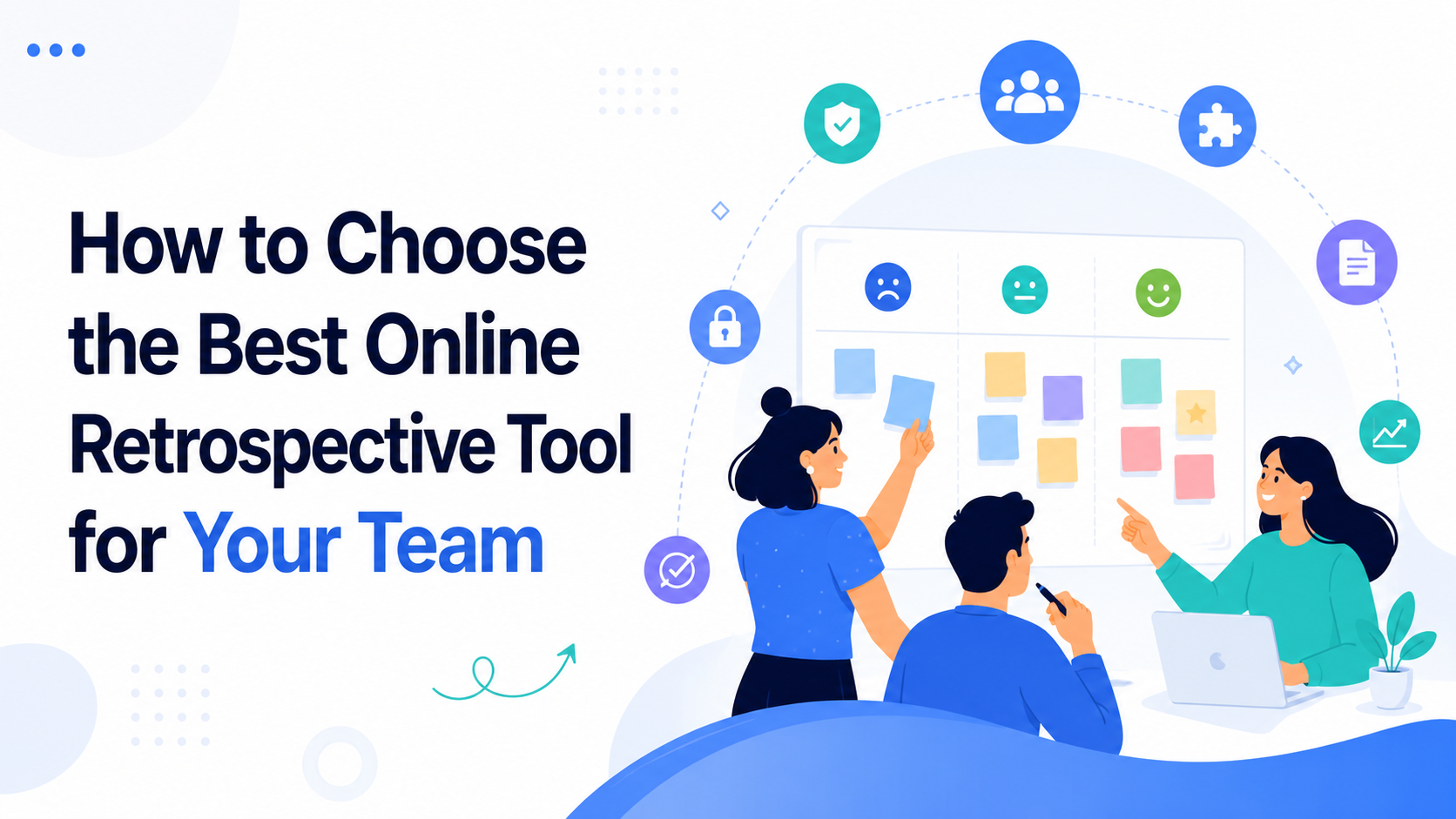
Evaluate online retrospective tools using participant access, anonymity, facilitation flow, templates, action tracking, security, integrations, and total operating cost.